
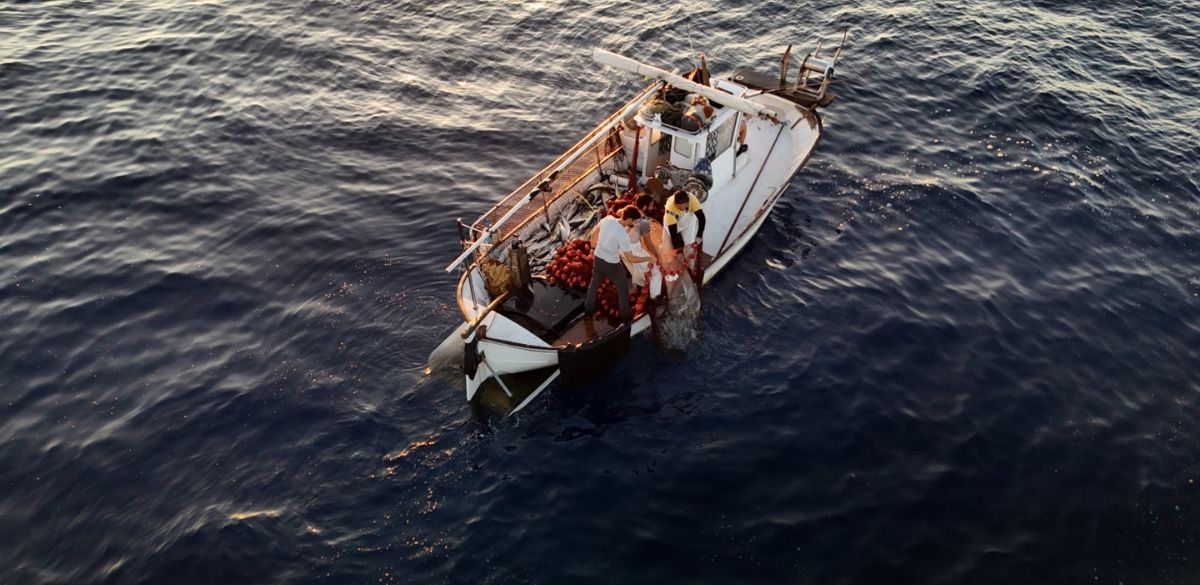
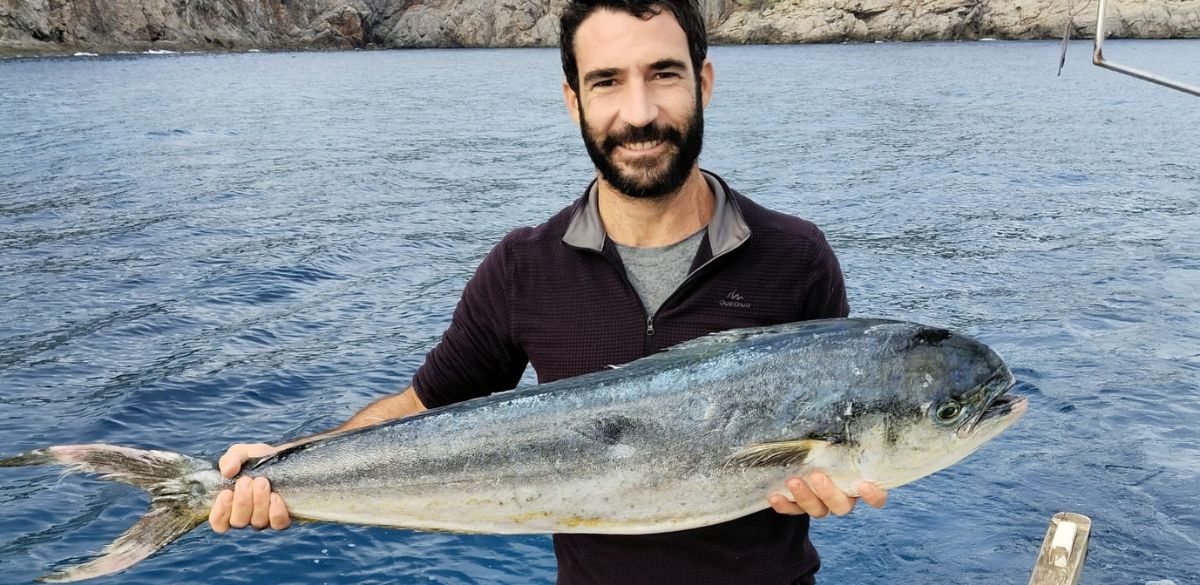
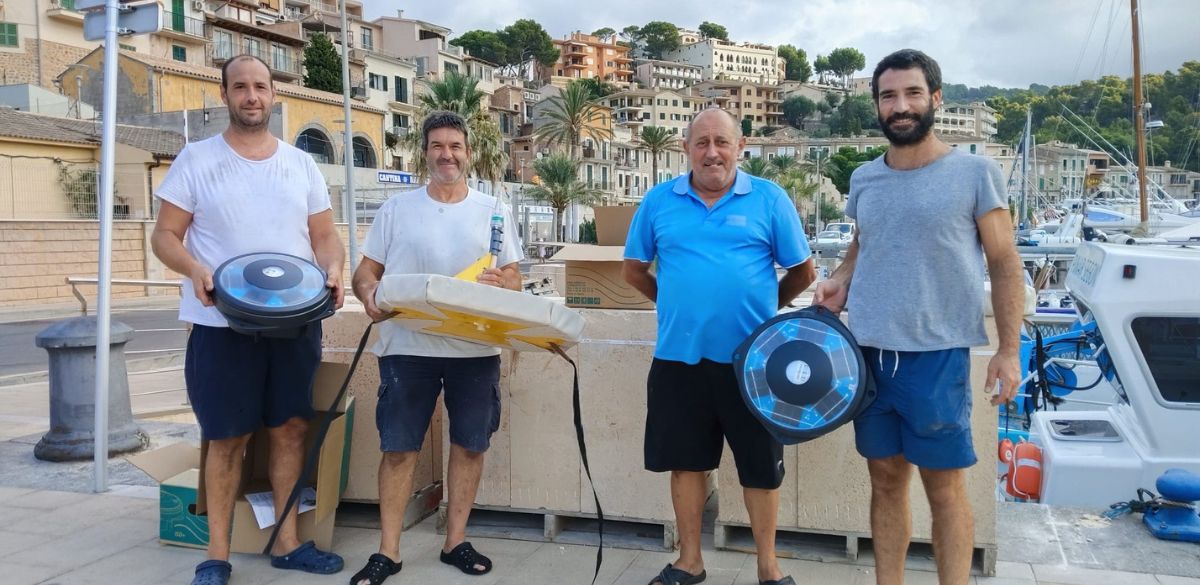
Engaging fishers in the conservation of the Mediterranean is one of the goals of LIFE OASIS. Artisanal fishers from the archipelagos of Malta & Gozo, Balearics and Sicily are working hand in hand with scientists, economists and policy makers to develop technological measures for the prevention and mitigation of the risk of marine litter adrift and more specifically abandoned, lost or discarded fishing gear (ALDFG). Combining the science of generations of work at sea and academia is one of the most fascinating aspects of LIFE OASIS. In order to enhance the engagement of fishers in the project, during the 2026 mahi mahi fishing season, from August to November, LIFE OASIS is running the “Smart Gear Contest”, with nearly 20.000 euros in rewards for the best ideas to improve the sustainability of the anchored fish aggregating device fishery.
The idea is not new. In 2006, WWF launched a first smart gear contest to engage the surface longlining industry worldwide to come up with solutions to the problem of bycatch on endangered species on hooks targeting swordfish and tuna. The outcome was a great success that has enhanced cooperation between scientists, policy makers and fishers to address this issue.
In 2026 project LIFE OASIS will be launching the first “smart gear contest” for the improvement of the Coryphaena anchored FAD fsihery of the Mediterranean. LIFE OASIS is putting fishermen, not just scientists, in the driving seat.
If you spend enough time at sea, you quickly learn that the best solutions are often the simplest ones.
A bit of extra line here. A better knot there. Moving something half a metre because you know what the sea does in that particular spot. Experience counts for a lot on the water, and nobody knows that better than the people who actually make their living at sea. That is the thinking behind the Smart Gear Contest, an initiative currently under way as part of the EU-funded LIFE OASIS project.
And despite the rather technical-sounding name, this isn’t really a competition for engineers in white coats. Quite the opposite. LIFE OASIS is asking professional fishermen from the Mediterranean to come forward with practical ideas for improving one of the most familiar bits of fishing equipment around here: the anchored Fish Aggregating Device, or aFAD.
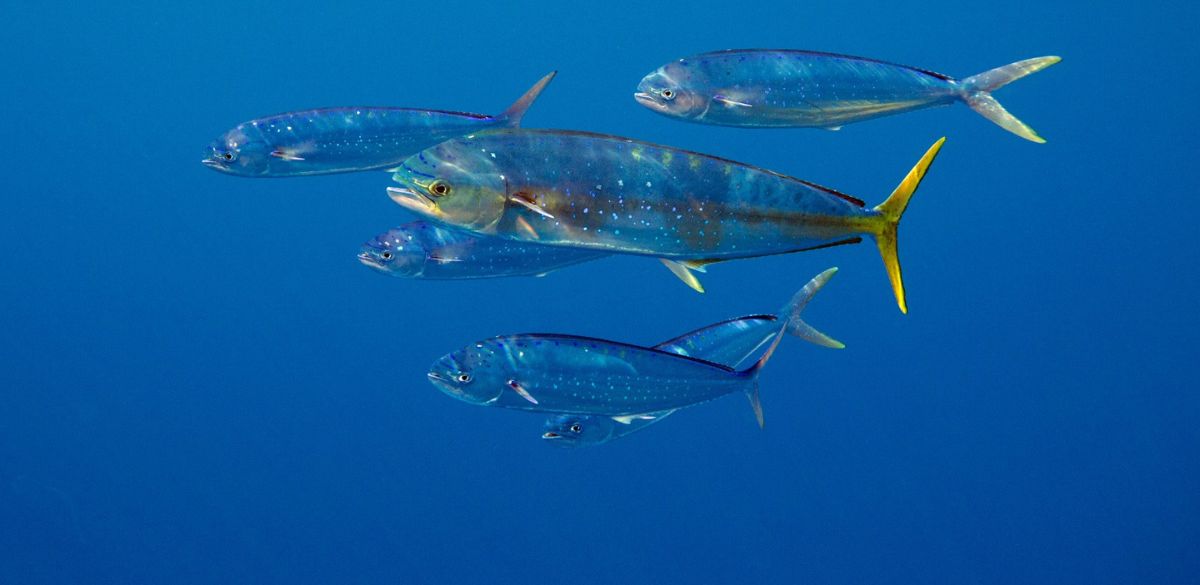
In plain English, these are the floats and associated gear used to attract fish such as mahi-mahi — our familiar llampuga — so that fishermen know where to find them.
The challenge is to make them safer, more sustainable, more efficient and, crucially, harder to lose.
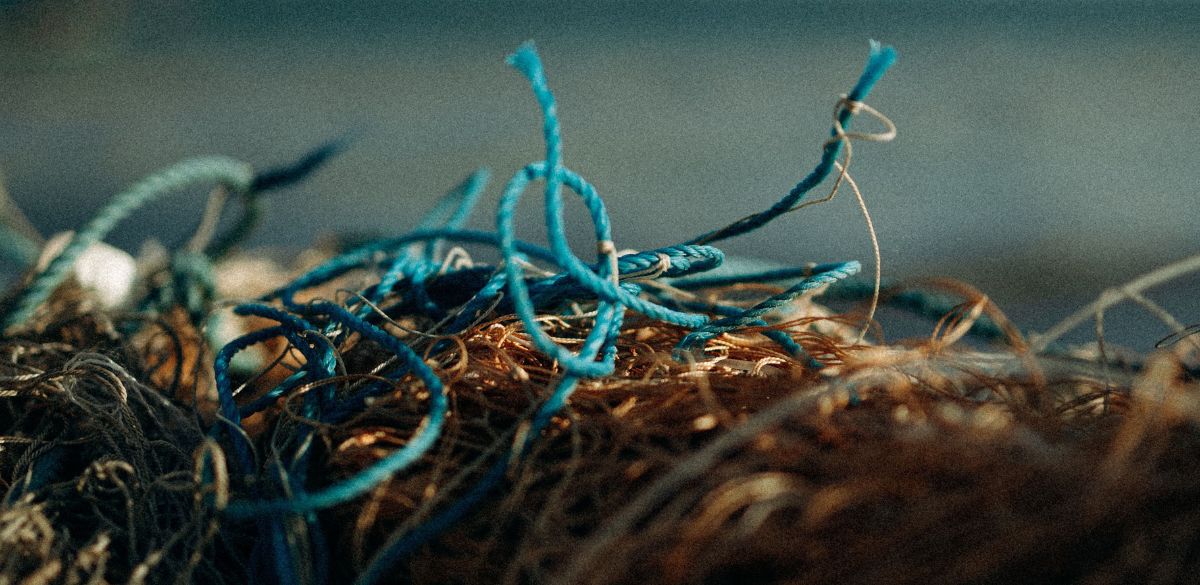
For anyone who spends time cruising, fishing, diving or simply looking over the side of a boat in the Mediterranean, that last point is worth paying attention to. Lost, abandoned or discarded fishing gear (ALDFG) adrift is a threat to marine wildlife, sustainable fishing and also safety at sea.
Most sailors have probably seen fishing gear floating around the Mediterranean. Sometimes it’s a harmless-looking float. Sometimes it’s a length of rope or line. Occasionally, it’s something much bigger.
The less technical term is “ghost gear”. And ghost gear can be surprisingly persistent on the sea surface when composed of floating plastic materials.
A net doesn’t know that its owner has lost it. A line doesn’t know that nobody is checking it anymore. If it remains in the water and is capable of catching something, it can continue doing exactly that.
Sea turtles are particularly vulnerable. Loggerhead turtles, or Caretta caretta, spend much of their lives travelling through the Mediterranean and can become entangled in lost fishing gear. LIFE OASIS says that this type of gear represents a significant threat to the species, while research associated with the project has highlighted the importance of aFAD fisheries in this problem.
There is another side to the story, too.
For a fisherman, losing gear isn’t good news. The gear costs money. It takes time to put out. And if it disappears, the fisherman has lost a working tool — as well as potentially leaving something behind that can continue catching fish.
So this isn’t really a case of fishermen versus conservationists. The problem is one that both sides have an interest in solving. And that is where LIFE OASIS gets interesting. The Smart Gear Contest, launched this summer, invites professional fishers from the Balearic Islands, Malta and Sicily to propose and test ideas for improving the traditional aFAD system used in the Mediterranean mahi-mahi fishery.
That matters because a device can look fantastic on a computer screen and still be completely useless after three days of wind, waves, salt and hard practical use.
The Smart Gear Contest focuses on innovation but also looking at the acquired knowledge of generations of fishers at sea, moving away from the “single used aFAD” made of dangerous materials and recovering the intelligence and pride of long lasting aFADs made with materials as cork, vegetable fibres and components that are better in attracting the target fish without harming the marine ecosystem and safety at sea.
The smart gear contest looks at improving the efficiency of aFADs, but also at ensuring that FADs will not be lost or discarded after the fishing season. Additionally, LIFE Oasis is searching for ideas to integrate electronic monitoring systems in aFADs, not only for the benefit of the fisher, but also as a positive added value of aFADs as opportunistic ocean monitoring platforms.
The contest starts now with the opening of the fishing season end of August and will end in November when the winning prototypes will be presented at the 8th Mediterranean Sea Turtle conference in Marathon, Greece.
So, when sailing in waters of Malta, Sicily and Mallorca this summer look out for aFADs, and remember also to keep a sharp look out for ALDFG adrift. And if you come across and entangled turtle, CALL 112 (Spain), or 9999 9505 (Malta).







0 Comments