
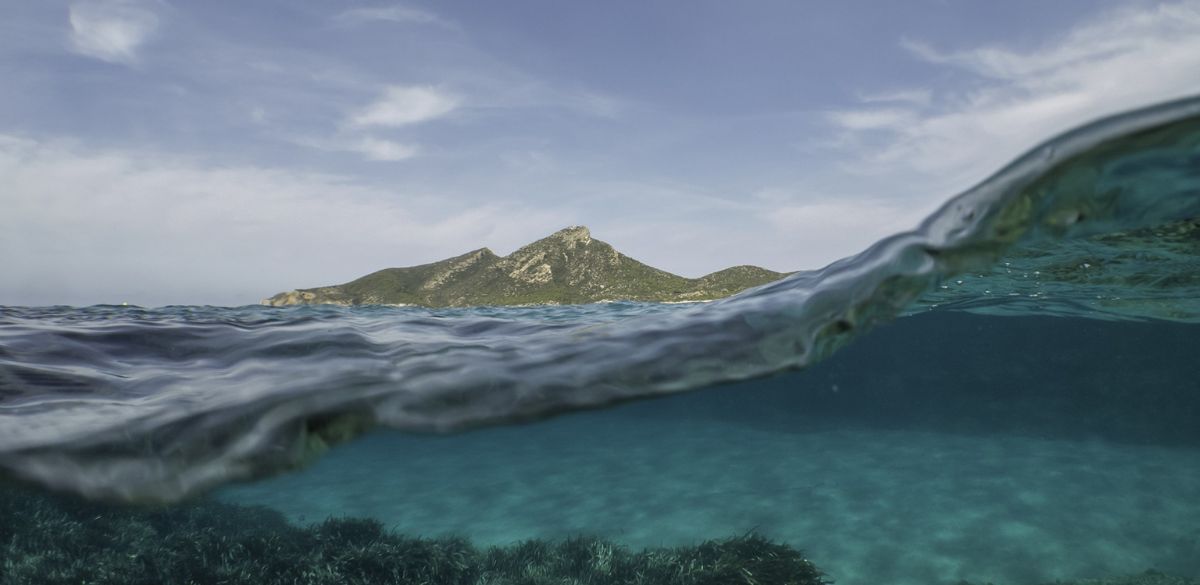
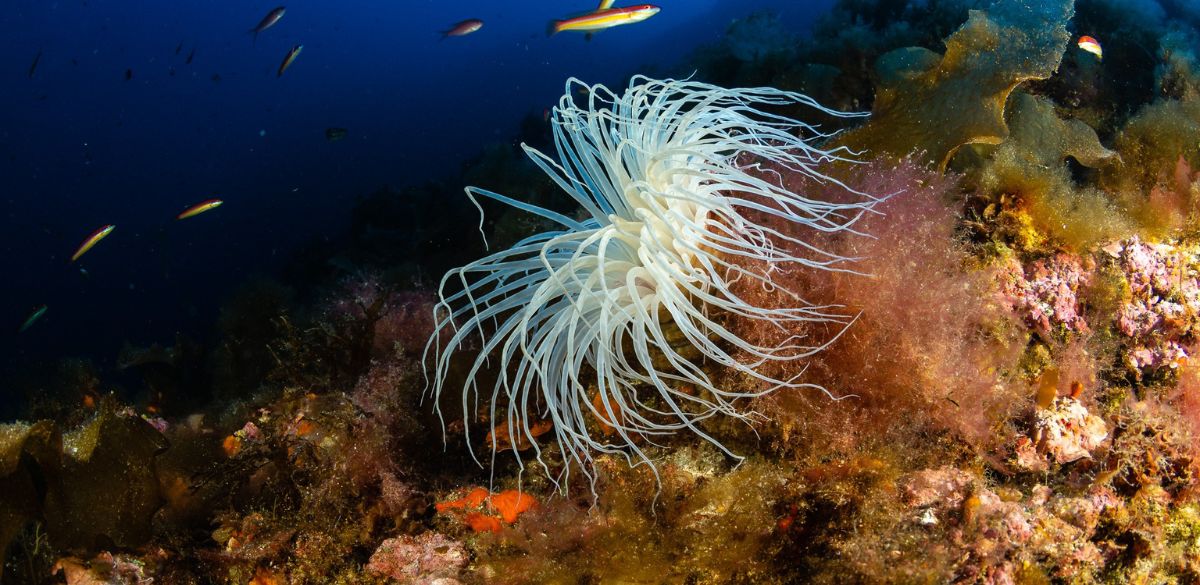
The silhouette of Sa Dragonera, a rugged dragon-like islet off the western tip of Mallorca, is one of the most iconic sights in the Balearic Islands. But while its terrestrial beauty is undisputed, its true treasure lies beneath the surface. The Reserva Marina del Freu de sa Dragonera, or Sa Dragonera Marine Protected Area (MPA), is a place where the meeting of specific currents and winds has created a mosaic of distinct underwater habitats.
Just like the particular name of the islet – which in fact does not originate from its dragon-like shape, but rather from the Latin word traconaria, referring to caves where freshwater can be found – this sanctuary of biodiversity is full of surprises.
The MPA is governed by several levels of marine protection, including a Marine Reserve of Fishing Interest, a Site of Community Importance (Natura 2000 Network), and a Special Protection Area for Birds. It is no coincidence that these regulations are applied to this specific zone: The waters surrounding Sa Dragonera and the coastline of Sant Elm are home to a vast diversity of species and habitats.
As part of a campaign to raise awareness on the importance of safeguarding Sa Dragonera, Save the Med will be producing a series on social media and a mini-doc on Youtube throughout this year. The aim is to bring people closer to the sea and improve public knowledge of the marine habitats and species present in the area. The more we know about this submerged world, the better we can protect it. As the primary navigators of Sa Dragonera’s waters, boaters are more than just visitors; their role is pivotal in the continued conservation of these vital habitats.
From caves and boulders to sandy bottoms: the habitats of Sa Dragonera
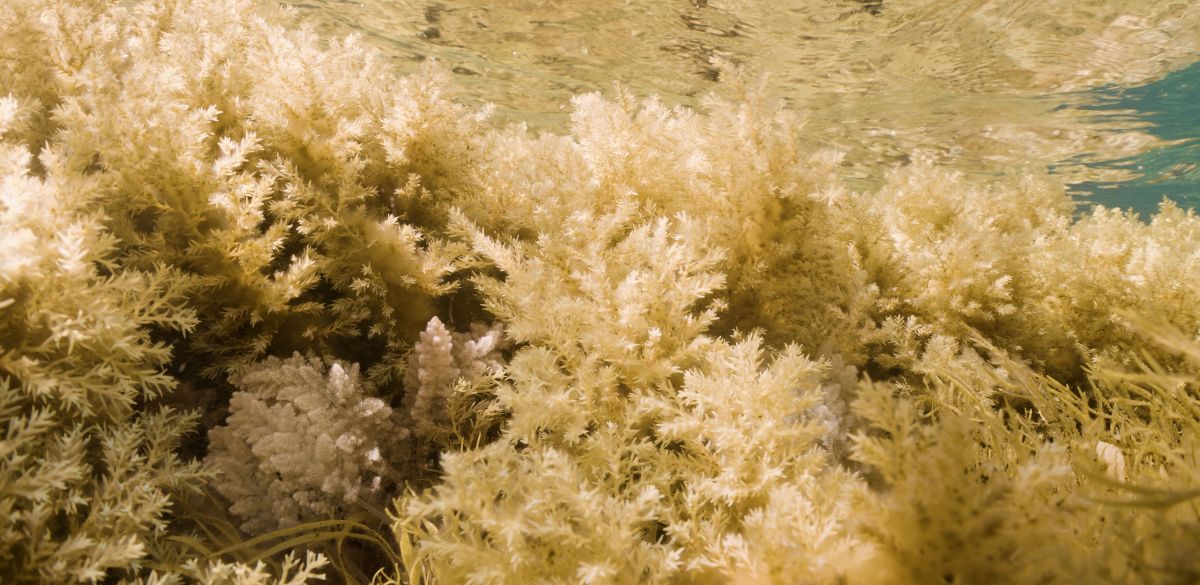
We begin our journey in the first habitat type formed by shallow rocky bottoms, which can be observed below the surface. Here, the rocks are draped in “forests” of macroalgae commonly known as Cystoseira, a key indicator of good water quality. Looking closely, you might spot the umbrella-shaped Acetabularia acetabulum, a remarkable single-celled alga, while small gobies dart between shadows and Cormorants occasionally dive from above in a blur of silver bubbles.
As we move deeper into the channel—called es Freu de Sa Dragonera—the rocky terrain gives way to vast emerald-coloured plains. These are the famous Posidonia oceanica meadows, often called the “lungs of the sea.” A true icon of the Balearic Islands; Posidonia symbols and references appear on everything from local crafts to business logos. Since 2018, this marine flowering plant—not to be confused with seaweed—has been officially protected by the Balearic Government under the Posidonia Decree. This is for good reason: Posidonia seagrasses fulfill many functions of vital ecological importance, such as providing a nursery and sanctuary for many species in the reserve, such as the master-in-disguise pipefish, juvenile groupers, and the vibrant Labrus viridis. Crucially, the meadows also act as a carbon sink and a storm barrier, guarding the Balearic ecosystem.
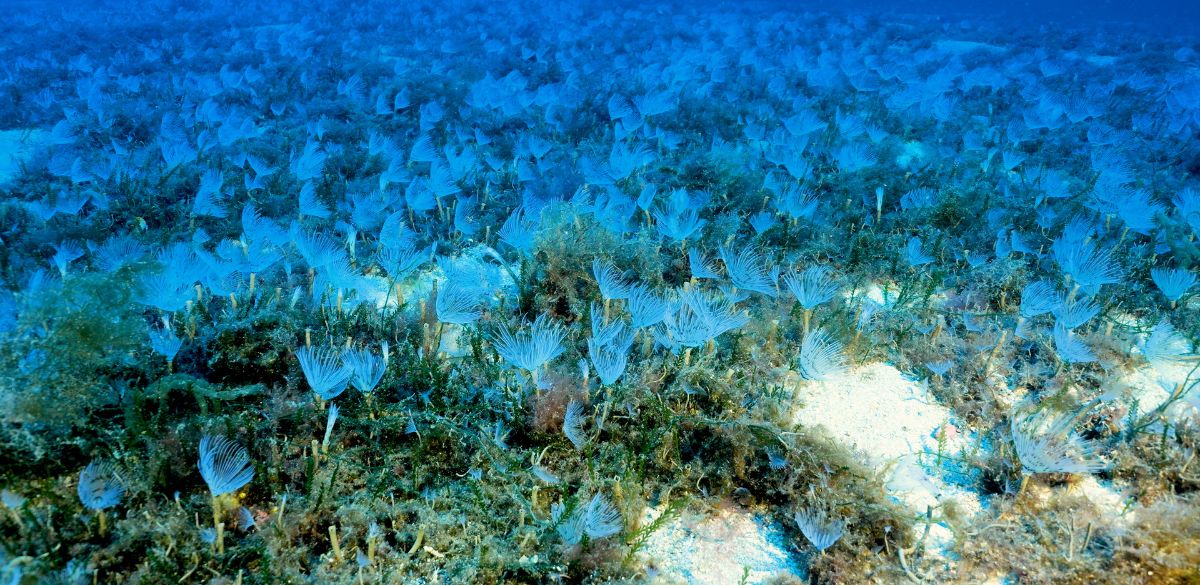
Beyond and in between the seagrass meadows we can spot the sandy bottom habitat,vast stretches of sand. To the untrained eye, the vast stretches of sand in the channel might look like a desert. However, if you look long enough, you come to realise that these plains are hubs of camouflage and stealth. A pair of eyes might emerge from the sediment—a pearly razorfish, locally known as a Raor, or a cleverly hidden stingray. Cuttlefish hover just above the sand, changing colour in an instant to match the texture of the sea floor. Sandy bottom habitats create structures that provide shelter for a wide diversity of fish, crustaceans, and other invertebrates, forming a unique and particularly fragile community.
The island of Dragonera is the tail of the Serra de Tramuntana mountain range. This geological structure continues underwater in the form of massive rocky walls and fallen boulders, along the islet and into the deep waters. The walls resemble a coloured canvas and drop into the abyss, covered by Bryozoans, Sponges and Cnidarians. With the “lace” corals and yellow cluster anemones (Parazoanthus) the coralligenous habitat comes into view.
In the shadows of these boulders, the marine reserve’s protection has clearly borne fruit. Data released in 2024 by the Regional Ministry revealed a remarkable success story: in some areas, the biomass of fish with fishing interest—referring to the size and number of individuals—has increased ninefold at depths of over 20 meters since protection began in 2016. Gliding along these rocky boulders and seeking refuge in the crevices between them, populations of Dusky groupers, Brown meagres and Forkbeards have flourished.
Shaping one of the key habitats of the underwater world of Sa Dragonera are the submerged caves and crevices, formed by the rugged nature of the coastline. Entering these spaces is a transition from the emerald blue open into the shadows. Here, species change to those adapted to near-total darkness. These caves are high-value habitats, offering a glimpse into a specialised evolutionary niche.
We move from the rugged, rocky seabed of the Sa Dragonera’s outer waters to the base of these cliffs, which quickly drop to great depths and where a very special habitat can be found: the maërl beds. These are rare, ancient, and highly sensitive marine habitats formed by fragile, slow-growing pink coralline red algae. They act as crucial biodiversity hotspots.
Last but not least, connecting all these habitats together is the water column – a vast open-water corridor where sunfish, barracudas, tuna, and Spinetail devil rays migrate, hunt, and play. This habitat is also the most visible to boaters; if they are lucky, they can marvel at dolphins splashing nearby or see the head of a loggerhead sea turtle (Caretta caretta) discreetly popping up through the surface. What is less visible to boaters, however, is the disturbance caused by the speed and noise of passing yachts, which creates a constant disruption for the underwater residents of Sa Dragonera.
What can you do to protect these habitats?
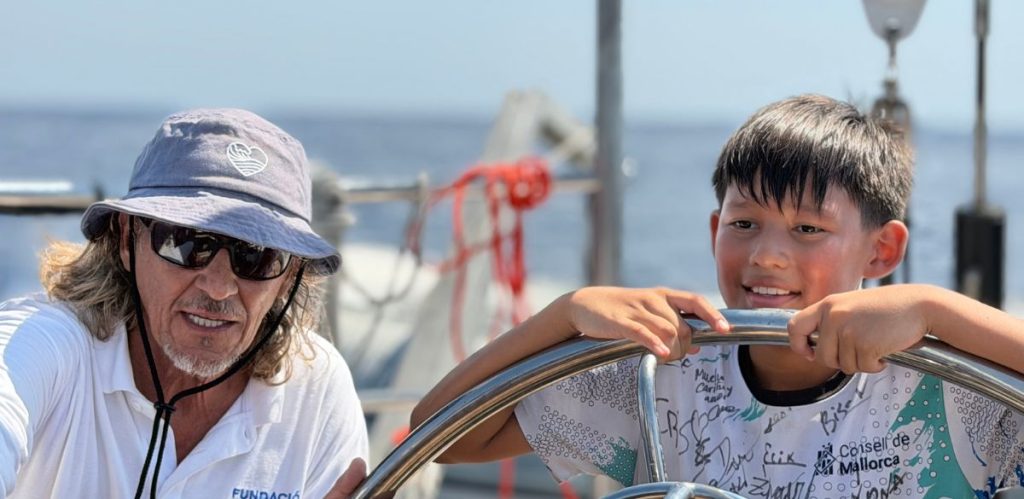
Since 2019, Save the Med has worked closely with the resident community to develop and implement best practices at sea, taking action through its Sa Dragonera Blava project. The project plays a key role in ensuring more effective management that is closely aligned with society through maintaining continuous participatory processes with local stakeholders, and in fostering a more sustainable link between the socio-economic sphere of the area and the marine environment of Sa Dragonera and Sant Elm. From community engagement to bringing people closer to the sea, the aim is to work towards the reduction of negative environmental impacts and pressures. For more information on Sa Dragonera Blava’s activities, please visit www.sadragonera.org
Following a campaign led by Xarxa Dragonera Blava, demanding slower vessel speeds, the local community achieved a significant milestone last year: the introduction of a 10-knot maximum speed limit to safeguard the waters and marine life of Sa Dragonera and Sant Elm.
Looking after these waters is a responsibility we all share, and every action makes a difference. What is your pledge to the sea?
Credits for the first photo: Fernando Darder Garau
Credits for the last photo: Marcos Dario Petraroia






0 Comments