

Industry groups and long-standing support bodies have guided yacht crew for years on their rights and how to deal with disputes. Yet the yachting world now faces a sharp rise in crew concerns.
ISWAN’s Welfare of Yacht Crew 2024 Annual Review reported a 21.4% jump in serious cases from the year before, from abuse and bullying to salary and contract issues. Life on board can heighten strain. Crew work long shifts, share tight spaces, and live with people from many age groups and cultures. Tension can build fast. Small rifts can grow because there is little room – in space or mood – to ease stress.
The Islander spoke with Cornerstone Crew Management to learn why more captains, owners, and managers now turn to specialist grievance teams for help with crew issues and disciplinary matters.
How crew complaints can unfold
Yachting relies on trust, skill, and strong lines of communication. When a yacht lacks set procedures for how crew should raise and resolve concerns, morale drops. Guests feel the shift. The yacht’s name can also suffer.
Yachts with sound grievance processes and access to expert support understand the importance of having a happy and motivated crew. They avoid disputes, keep life on board calm, and build a name that draws skilled crew year after year.
All yachts – private or commercial – must meet strict rules on work terms, safe working conditions, notice, and grievance steps. These rules guide life on board. When they are rushed or skipped, disputes flare. Termination proceedings need to be followed through in order to prevent any legal outcome. MLC gives clear guidelines for grounds of dismissal which must be abided and the employer must still pay wages through the final day worked, arrange repatriation, and issue correct sea time records. A lapse in any one of these areas can spark a legal dispute.
Crew case study: life insurance and pension
A recent Cornerstone case shows why having a professional advisor goes beyond peace of mind. A crew member sadly passed away and his wife needed assistance with claiming her husband’s life insurance and pension. Cornerstone empathised with such a complex time and stepped in to assist the wife who did not speak English as her first language. They were able to lift the burden and assist with all the documentation required with the pension and insurance companies. This was hugely appreciated by the family.
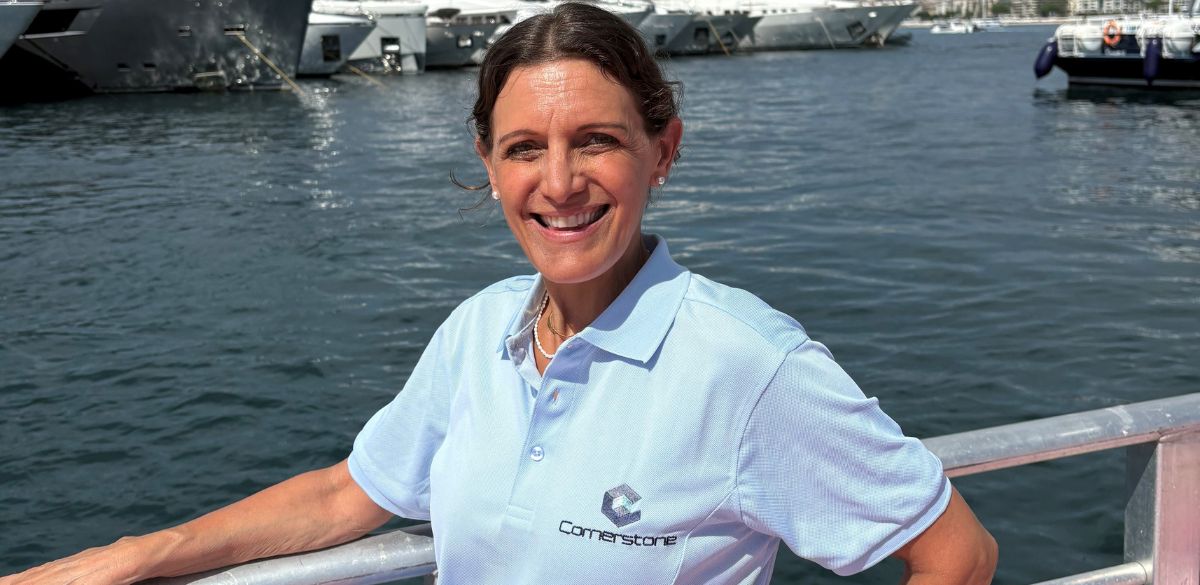
David Kneen, Head of Crew Employment at Cornerstone, explains why ensuring the crew feel their interests matter is a priority: “Our team moves fast. We are constantly available to help crew members with any queries or concerns they may have. Our industry expertise sets us apart. We make sure matters are dealt with in the right way and we act as the link between crew, captain, and management to find a fair, sound solution.”
Five points to consider when choosing crew grievance experts
- Strong industry and regulatory connections
Yacht Owners and involved parties (family offices, representatives) gain real value by choosing specialists that know employment law, Seafarer Employment Agreements (SEAs) contracts, MLC rules, and Flag State terms.
- Confidential and professional help
Crew and management need support that is discreet, fair, and free of judgement. Independent firms offer clear, unbiased guidance that protects both owner and crew.
- Proven track record with real cases
Look for real testimonials of resolved employment disputes and disciplinary issues, not marketing claims.
- Wide skill and knowledge base
Proficient teams help with grievances, discipline, repatriation, SEA terms, Discharge book applications to the MCA, loan and mortgage assistance and references for the PYA. Look for specialists that can also assist with pension schemes, personal life insurance, medical health insurance and advise about meeting social security and tax obligations.
- Fast, global communication
Support should be fast and offered across the main yachting hubs, through phone or email.
Why fast action matters
Captains and yacht managers face tight time frames and tough decisions. With over 14 years worth of crew-specific experience, Cornerstone understands that swift action and expert support can protect owners from risk and help leaders act with care and in line with maritime regulations. Without this support, even a small slip in admin or process can grow into a legal claim that harms the yacht, the crew, and the owner’s peace of mind.









0 Comments